
HENAN JINHE INDUSTRY CO.,LTD

HENAN JINHE INDUSTRY CO.,LTD

info@jinhetec.com

86-371-86107227

HENAN JINHE INDUSTRY CO.,LTD
Home> Blog> The performance of organic salt additives in surfactants

The performance of organic salt additives in surfactants

February 21, 2025
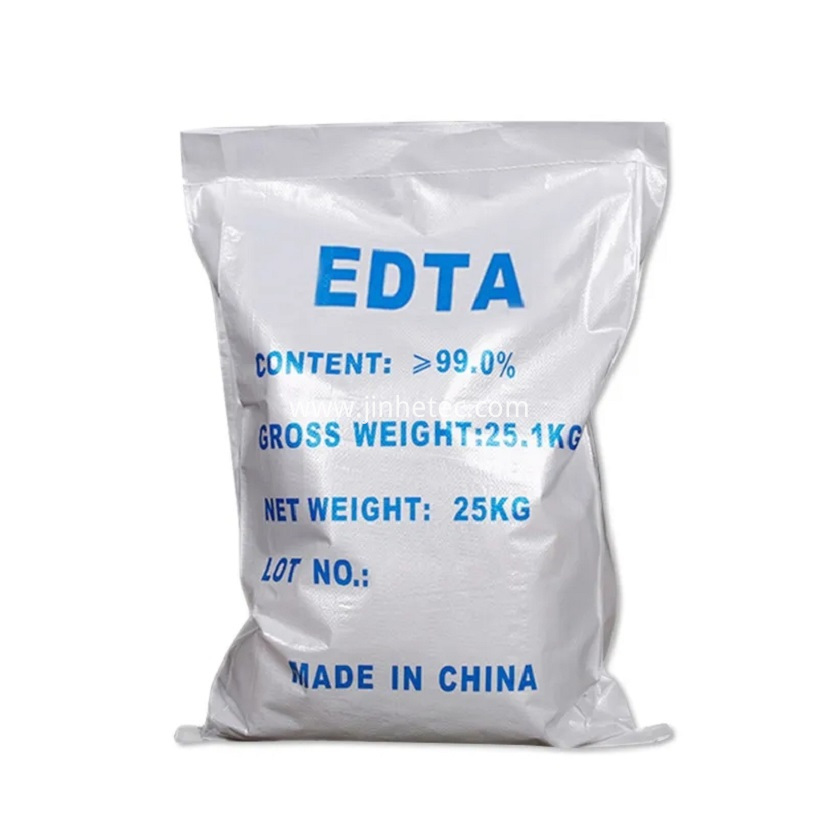
EDTA FERRIC SODIUM EDTA-FENA.3H2O.jpg
PART1. ETDA disodium, trisodium, tetrasodium
 
Disodium and tetrasodium have a wide range of applications. Disodium is weakly acidic, while tetrasodium is weakly alkaline. Both can be used as chelating agents, mainly to chelate calcium and magnesium ions, improve surface activity, have good cleaning effects, can be used as rust inhibitors, have good solubilizing effects, and can reduce the concentration of glue.

PART2. Sodium citrate (ammonium)

Complexation of ferrous and iron ions has rust removal properties and good chelation effects on calcium and magnesium ions. It can replace trimerization as a non-toxic Detergent additive.

PART3. Sodium gluconate

Good rust removal effect, significantly better than EDTA Disodium, but relatively expensive in price.

PART4. Organophosphates

HEDP-4Na has the ability to chelate calcium, magnesium, iron, aluminum, and zinc ions, good cleaning effect, corrosive effect on copper parts, alkaline pH value greater than 12, strong alkalinity, and is a good degreaser.

PART5. Benzoate salt

Sodium benzoate: has anti-corrosion and compatibilization effects.
Sodium dimethylbenzenesulfonate: It has good compatibilization effect, but weak cleaning effect. The synthetic compatibilization effect is significant, such as triethanolamine, alcohol ether, etc.
Sodium polyacrylate: The disadvantage is that it easily precipitates in water and is not easily dispersed. Different molecular weights have different effects. It has a strong chelating effect, which helps to counteract the hardness of water and enhance the cleaning ability of detergents.

PART6. Oleic ACID triethanolamine

Good emulsifying performance, while also possessing the ability to resist mineral oil and plants and animals.

The largest acid in organic acids, as an additive, can improve the performance of washing products, rapidly precipitate metal ions, prevent pollutants from reattaching to fabrics, maintain necessary alkalinity, and can be used as a chelating agent.
Contact Us

Author:

Ms. Yolanda

Phone/WhatsApp:

+86 13298161700

Popular Products
You may also like
Related Information
Introduction to ethylene diamine tetraacetic acid (EDTA)

EDTA is a type of polyaminocarboxylic acid. Its conjugated base is ethylenediaminetetraacetic acid. EDTA is a colorless compound first synthesized by Ferdinand M ü n in 1935. EDTA is famous for its...

Brief introduction of the industrial use of ethylenediaminetetraacetic acid

1. In the paper industry, EDTA is used to maximize the bleaching efficiency in the pulping process. Used to whiten the paper. 2. EDTA does not allow harmful metals to react with products. This is...

Characteristics and Application of EDTA

EDTA, full name ethylene diamine tetraacetic acid, is an organic compound, odorless and tasteless, melting point 250 ℃ (decomposition), white powder under normal temperature and pressure, soluble in...

Related Categories

Email to this supplier

Subject:
Email:
Message:

Your message must be between 20-8000 characters

Related Products List

Home

Product

WhatsApp

About Us

Inquiry

We will contact you immediately

Fill in more information so that we can get in touch with you faster

Privacy statement: Your privacy is very important to Us. Our company promises not to disclose your personal information to any external company with out your explicit permission.

Send